
Beluga: discover its flavour and how to grow it
Small, round, black beans for a cooked pulse meal. Choose Beluga for a black, dry harvest and a small growing trial. Semailles describes growing as difficult and low-yielding; do not plan a guaranteed large supply.
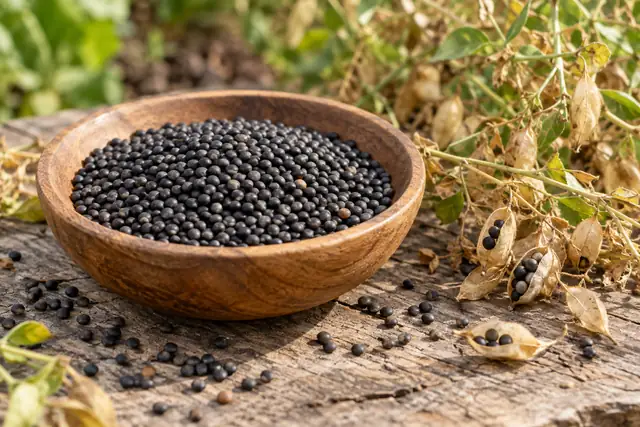
This image was created with AI from described plant characteristics and growing advice. It shows a possible situation and is not a photograph of a verified cultivar.
- Crop
- Lens culinaris
- Start
- Spring, in workable, well-drained soil
- Harvest
- Dry seeds from small, short pods
- Expectation
- A trial crop, not a guaranteed large supply
This growing advice helps you choose. Your variety, growth stage, weather and conditions in your space determine the actual timing.
Sowing under cover and raising seedlings
Direct spring sowing · Lentils
Spring, according to product guidanceSow directly into workable soil that is not waterlogged.
- Germination and temperature
- Use workable spring soil with good drainage; follow seed guidance.
- After emergence
- Give seedlings light immediately after emergence. A dark loft needs suitable grow lights; warmth alone is insufficient. Ventilate and keep the compost moist without saturating it.
- Pricking out and potting on
- Sow directly and keep the young row weed-free. Planting out is unnecessary for this route.
- Hardening off and planting out
- Stays in the final sowing position.
This is a trial crop in the Dutch climate. Maturity days from abroad give no certain harvest date.
Sources and use
Feggies · Linzen Beluga ↗Nederlandse producent of teeltbron; de rasinstructie blijft leidend.
Feggies · Gemarmerde linzen biologische zaden ↗Nederlandse producent of teeltbron; de rasinstructie blijft leidend.
Guideline periods for the Netherlands and Flanders. Check the variety, available light, soil and measured temperatures. Greenhouse heating does not guarantee enough winter light.
What makes Beluga different?
- Fruit shape
- round, smooth
- Main colour
- black
The source context and any limitations are in the background information at the bottom.
Compare with another varietyFlavour and kitchen
Black colour makes Beluga recognisable, with an earthy lentil character after cooking. The nickname caviar compares appearance and promises no similar fishy flavour.
This flavour description applies to the crop; a separate taste test for this variety is not supported by evidence.Cook the cleaned grains for a lentil salad or stew. Check doneness regularly so that you can choose between separate grains and a softer purée.
Why choose it? Choose Beluga for a black, dry harvest and a small growing trial. Semailles describes growing as difficult and low-yielding; do not plan a guaranteed large supply.
How to grow lentils
The options below belong to the plant. From these, choose the method that suits your variety's growth habit.
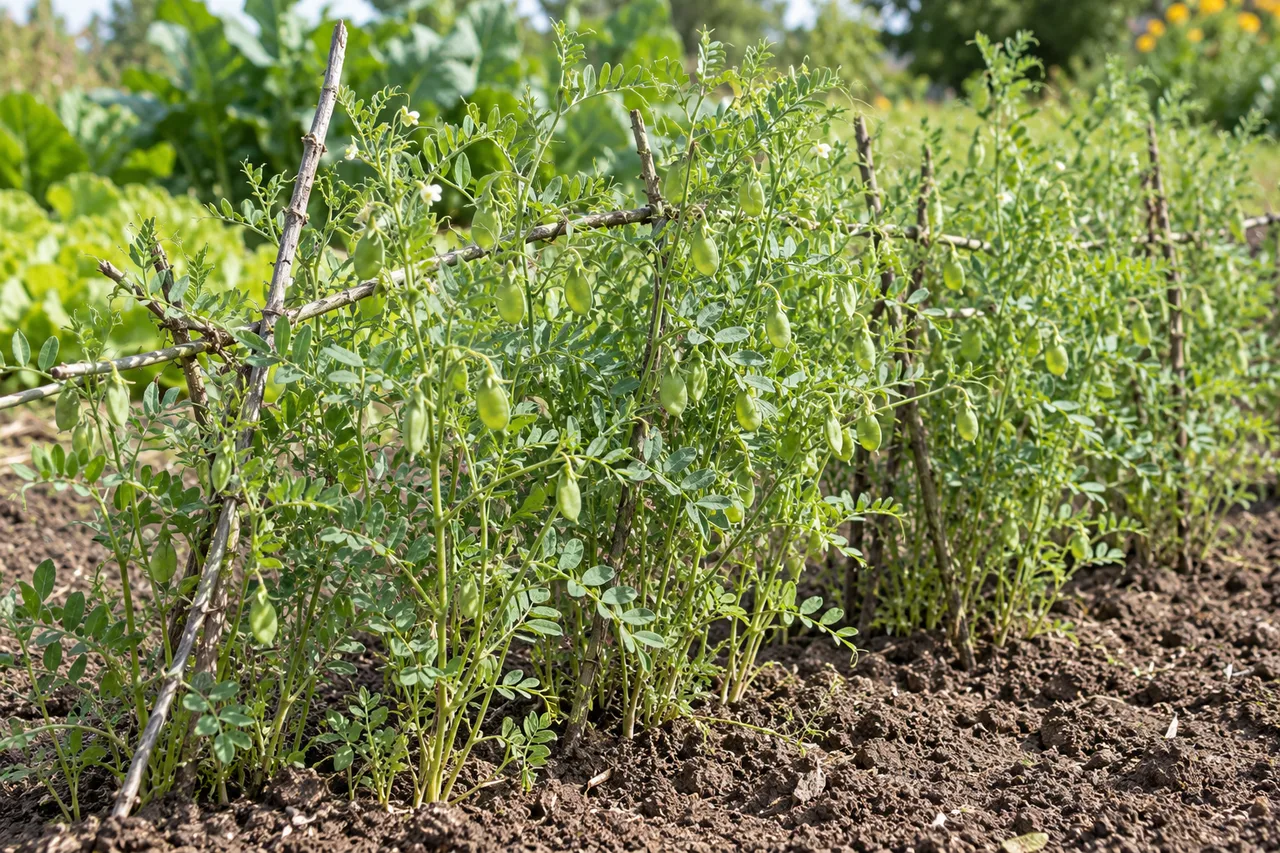
This image was created with AI from described plant characteristics and growing advice. It shows a possible situation and is not a photograph of a verified cultivar.
A small, airy bed
Keep low, delicate plants accessible for harvesting and drying.
- Sow in a fine, free-draining spring bed according to the packet.
- Keep weeds small and add low pea sticks against collapse if needed.
- Harvest ripening plants and dry beneath an airy shelter.
For a sunny position where ripening plants do not remain wet for long.
Tick off your supplies →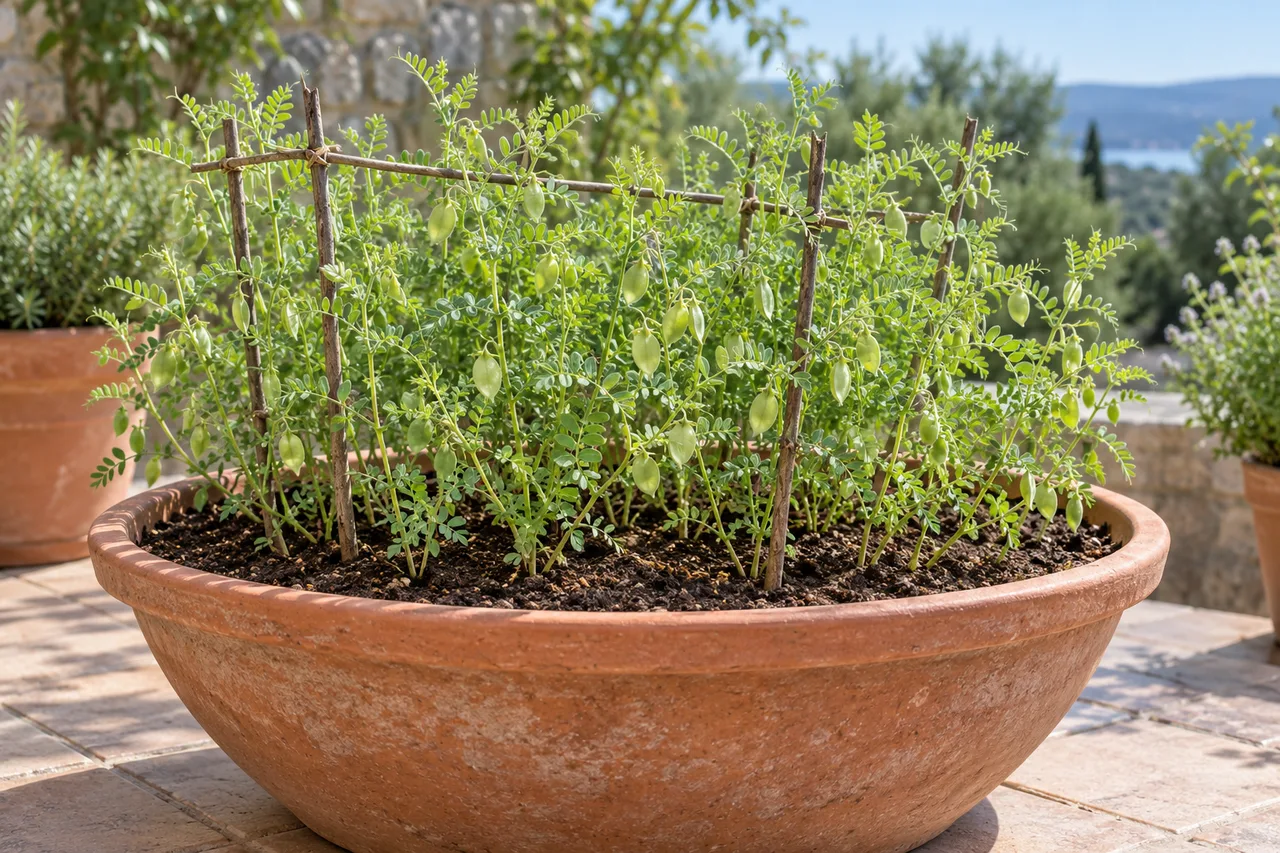
This image was created with AI from described plant characteristics and growing advice. It shows a possible situation and is not a photograph of a verified cultivar.
A large pot as a growing trial
Observe the whole process on a small scale near home.
- Choose a large pot with good drainage and a sunny position.
- Sow a limited quantity, thin and add low, branching pea sticks.
- Check moisture and move ripening produce to a dry, airy position.
For a small patio trial; expect few storage seeds.
Tick off your supplies →Why grow Beluga?
Small, round, black beans for a cooked pulse meal.
Choose Beluga for a black, dry harvest and a small growing trial. Semailles describes growing as difficult and low-yielding; do not plan a guaranteed large supply.
How this choice tastes
Black colour makes Beluga recognisable, with an earthy lentil character after cooking. The nickname caviar compares appearance and promises no similar fishy flavour.
From harvest to kitchen
Cook the cleaned grains for a lentil salad or stew. Check doneness regularly so that you can choose between separate grains and a softer purée.
What needs attention when growing
Sow in spring in warm, free-draining soil and avoid heavy feeding. Low support can keep small plants airier and help them mature dry more easily.
Cut yellowing plants as they mature and dry in airy conditions. Thresh short pods only once dry, remove immature grains and store the completely dry selection sealed.
Choose by grain and intended use
Lentils are Lens culinaris, with small grains in short pods. Beluga has round black seeds; the marbled offering brown-black markings. Sprouting packets serve a different purpose from garden sowing. Keep use distinctions clear for dry grains versus short young sprout crops.
A small, sunny trial
Choose drainage and start modestly. Semailles calls Beluga difficult and low-yielding. Discovery, comparison and learning to dry are better goals than filling a whole pantry immediately. Pots aid observation; beds need fewer drying checks.
A spring start with local assessment
Montana describes lentils for cooler spring weather; the Belgian producer gives warmed spring soil. Use packets as local starting points and avoid soaking beds. American frost and month data guarantee nothing in the Netherlands. Airy soil and enough season are practical basics.
Sow and identify the row
Sow at stated depth and label immediately. Small seedlings easily disappear among weeds. Thin according to the offered type and work carefully around roots. Limited pot sowings are easier to manage than dense carpets.
No heavily fertilised leaf patch
Lentils are legumes and need no nitrogen-rich growth boost. Keep weeds small and check the soil during drought before watering. A low support can keep fine stems better ventilated. Avoid a permanently wet crop; especially as pods ripen, you want to reach them and harvest them dry.
Learn from flowering and pod formation
Observe fine leaves, small flowers and short pods. Note which plants actually form grains in your garden. Wet seasons hinder drying; empty or immature pods are no storage grain. Use the first crop to assess position and offering suitability.
Dry first, then thresh
Cut yellowing, ripening plants and hang or lay them under shelter with good airflow. Once pods and seeds are dry, thresh carefully and remove chaff. Check seeds for moisture and damage before putting them in a jar. Do not seal a wet harvest, as that prevents reliable storage.
Choose how well cooked
Rinse and inspect cleaned grains before cooking. Montana describes variety and desired texture determining cooking times: separate cooked grains for salads, softer ones for purée. Taste while cooking. Earthy lentils pair with vegetables and herbs without separate flavour promises per colour.
What you need
Tick what you already have. The extras depend on how you grow.
0 of 4 ticked off
Your ticks are saved in this browser.
Discover and grow more
More background, sources and image information
SeedSteps editorial team · updated on 11 October 2026. The AI images illustrate species and practical growing situations; they do not prove an exact cultivar, observations from your own garden or yield.
Britse gewasadviezen worden gecombineerd met Nederlandse en Vlaamse informatie waar beschikbaar. Amerikaanse Extension-bronnen ondersteunen plantprincipes en herkenning; hun kalenderdata, lokale plaagdruk, bestrijdingsmiddelen en mestdoseringen worden niet rechtstreeks op Nederland of Vlaanderen toegepast. Vorst, bodemwarmte, standplaats en expliciete rasinformatie blijven de lokale controle. Commerciële bronnen onderbouwen uitsluitend benoemde ras- en plantkenmerken; zij zijn geen affiliate-aanbeveling.
- Plants of the World Online — Vicia lens (L.) Coss. & Germ.Royal Botanic Gardens, Kew · accessed 2026-10-11
- World Checklist of Vascular Plants — 4 juni 2026Royal Botanic Gardens, Kew · accessed 2026-10-07
- Linzen BelugaFeggies · accessed 2026-10-11
- Lentilles BelugaSemailles · accessed 2026-10-11
- Gemarmerde linzen biologische zadenFeggies · accessed 2026-10-11
- Organic sprouting linzen zadenFeggies · accessed 2026-10-11
- Lentils: groeien, oogsten en kokenMontana State University Extension · accessed 2026-10-11
Supporting evidence by chapter: Why grow Beluga?: Feggies, Semailles. How this choice tastes: Feggies, Semailles. From harvest to kitchen: Feggies, Semailles. What needs attention when growing: Feggies, Semailles. Choose by grain and intended use: Feggies, Feggies. A small, sunny trial: Semailles, Feggies. A spring start with local assessment: Montana State University Extension, Semailles. Sow and identify the row: Feggies, Semailles. No heavily fertilised leaf patch: Feggies, Semailles. Learn from flowering and pod formation: Feggies, Feggies. Dry first, then thresh: Feggies, Semailles. Choose how well cooked: Montana State University Extension.
Fruit shape: round, smooth Beschrijving van de genoemde rasbron; geen eigen tuinwaarneming. Feggies, Semailles
Main colour: black Beschrijving van de genoemde rasbron; geen eigen tuinwaarneming. Feggies, Semailles