
Ice plant
Ice plant has fleshy leaves with shiny, crystal-like bladders. It is a different plant from summer purslane or winter purslane.
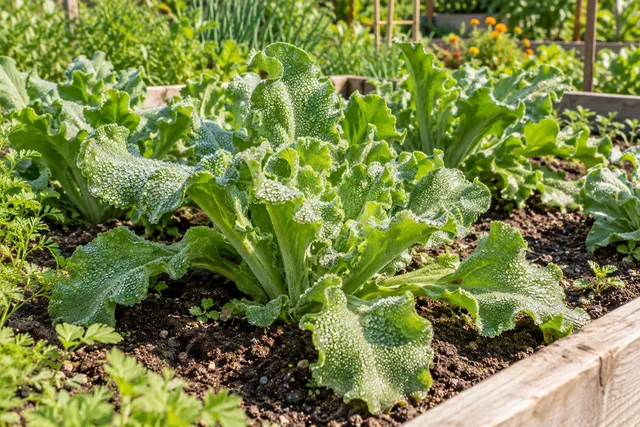
This image was created with AI from described plant characteristics and growing advice. It shows a possible situation and is not a photograph of a verified cultivar.
- Botanical name
- Mesembryanthemum crystallinum
- Other name
- IJskruid
- Characteristic
- Fleshy leaves with glistening bladders
- Growing location
- Warm and bright, with good drainage
This growing advice helps you choose. Your variety, growth stage, weather and conditions in your space determine the actual timing.
Sowing under cover and raising seedlings
Sow in warmth for summer leaves · Ice plant
Spring, warm and bright; follow species guidanceSow in a tray for an organised start.
- Germination and temperature
- Germinate in warmth according to the packet; avoid a cold, wet start.
- After emergence
- Give seedlings light immediately after emergence. A dark loft needs suitable grow lights; warmth alone is insufficient. Ventilate and keep the compost moist without saturating it.
- Pricking out and potting on
- Sow shallowly. Use small tray groups or thin a direct sowing according to product guidance.
- Hardening off and planting out
- Gradually acclimatise indoor-raised plants to sun, wind and outdoor temperatures; shelter them again on cold nights. Plant out tray groups when soil is warm and weather frost-free.
Summer purslane, ice plant and winter purslane are different plants. Do not apply a winter sowing schedule to a summer crop.
Sources and use
Magic Garden Seeds · IJskruid (Mesembryanthemum crystallinum) ↗Nederlandse producent of teeltbron; de rasinstructie blijft leidend.
Feggies · Ficoid of ijspostelein zaden biologisch ↗Nederlandse producent of teeltbron; de rasinstructie blijft leidend.
Guideline periods for the Netherlands and Flanders. Check the variety, available light, soil and measured temperatures. Greenhouse heating does not guarantee enough winter light.
A different flavour, a different harvest.
Choose by more than the name. Discover how these varieties and crop types taste, what you can use them for and what growing them involves.
1 of 1 choices · 0 named varieties
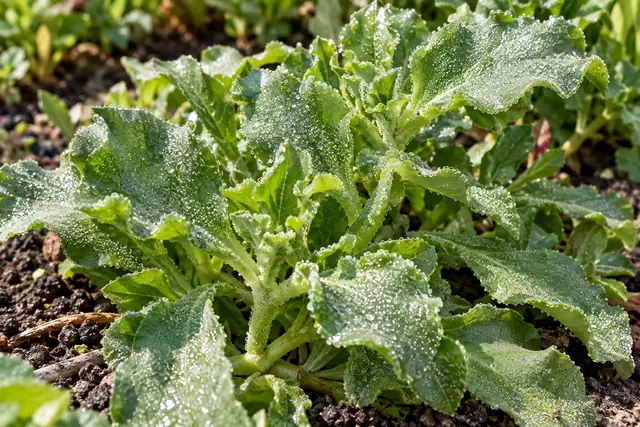
This image was created with AI from described plant characteristics and growing advice. It shows a possible situation and is not a photograph of a verified cultivar.
Ficoid
Ice plant has fleshy leaves with shiny, crystal-like bladders. It is a different plant from summer purslane or winter purslane.
Choose ice plant if you want to taste an unusual leaf texture. The bladders are a plant characteristic, not added ice crystals.
Flavour, kitchen and growing
How does it taste?
The source describes a fresh, acidic flavour and crisp texture. This concerns the species, not a separately named variety.
This flavour description applies to the crop; there is no separate tasting result for this variety.In the kitchen
Use young leaves as a crisp salad accent. Their striking structure means a small amount suffices.
A space in the garden
Grow for a warm, sunny period and protect from frost. Allow a container to drain; a warmth-loving plant does not need waterlogged soil.
Harvesting
Pick usable young leaves while the plant is actively growing. Keep the plant name with the harvest to avoid confusion with other 'ice plants'.
Also listed as: IJspostelein.
Read the source notes →Choose your way to grow
From a garden bed to a suitable pot or support: give your plant a place that suits your garden and the care you can provide.
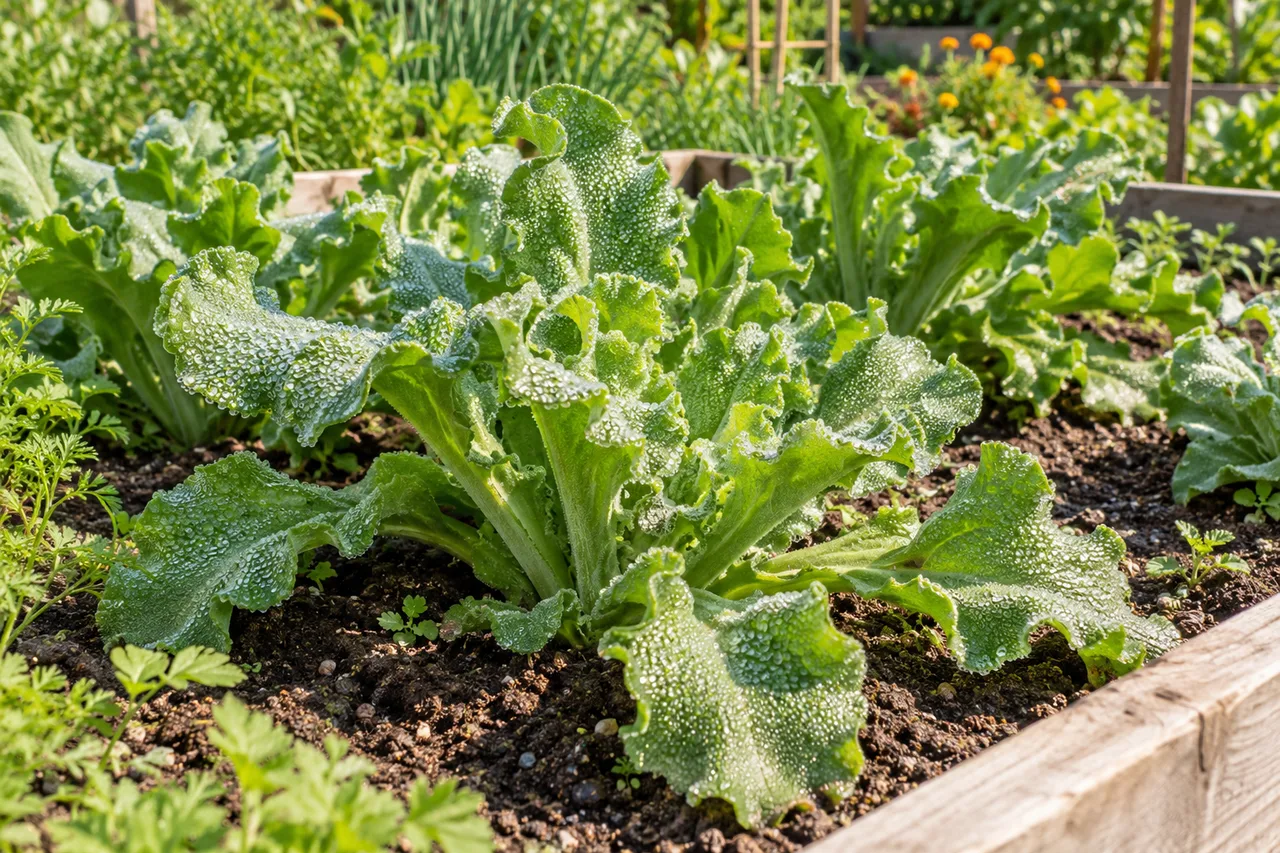
This image was created with AI from described plant characteristics and growing advice. It shows a possible situation and is not a photograph of a verified cultivar.
Warm and sunny in a container
Start seeds or plants under cover; keep the container frost-free and sunny; water without standing water around roots.
- Start seeds or plants under cover.
- Keep the container frost-free and sunny.
- Water without leaving standing water in the root zone.
For a light, warm position where excess water can escape the container.
Tick off your supplies →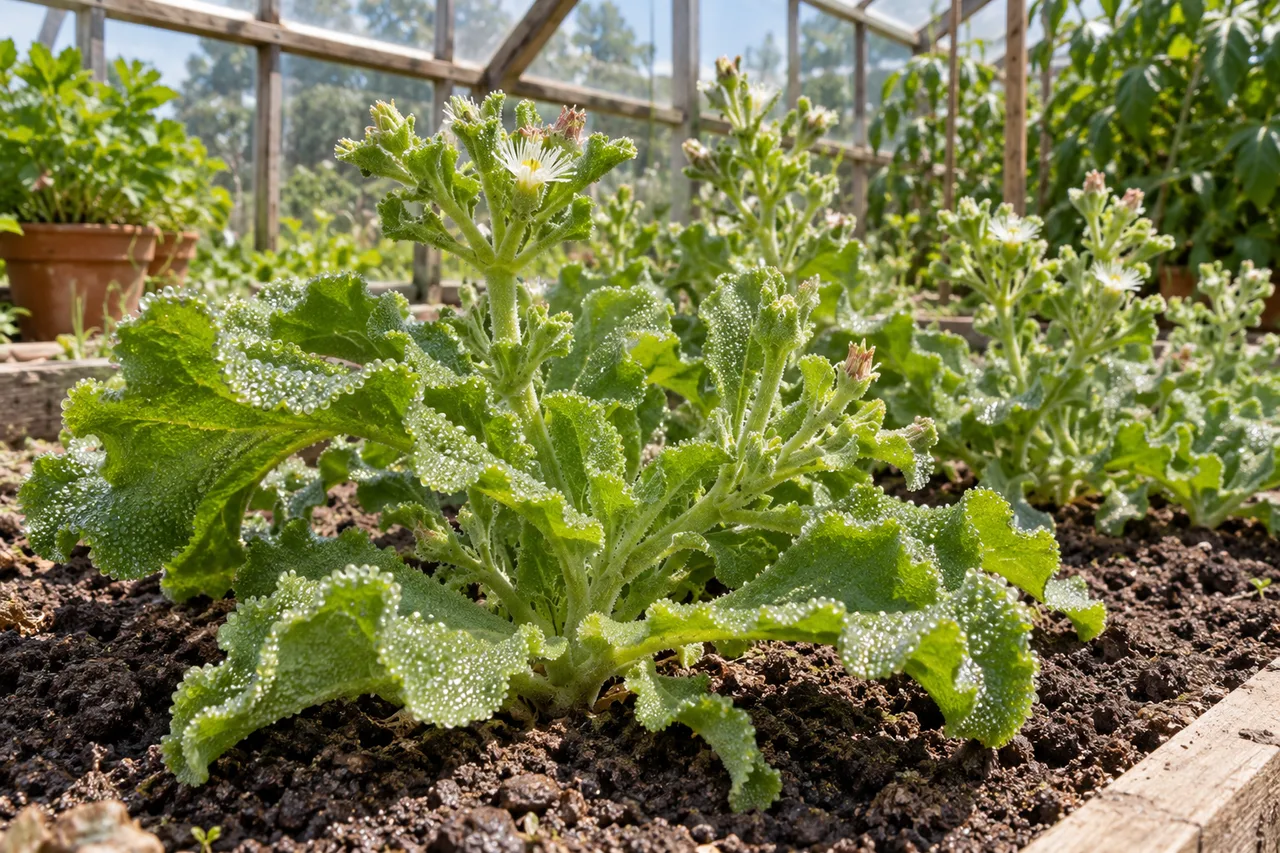
This image was created with AI from described plant characteristics and growing advice. It shows a possible situation and is not a photograph of a verified cultivar.
A warm position under glass
Raise frost-free; plant in a free-draining greenhouse bed; ventilate and pick young, fleshy leaves.
- Grow on in frost-free conditions.
- Plant in a free-draining greenhouse bed.
- Ventilate and pick the young, fleshy leaves.
For a sheltered leaf crop under glass with the root zone and airflow visible.
Tick off your supplies →Choose by flavour, shape and use
Ficoid: Ficoid has fleshy leaves with shiny, crystal-like bladders. It differs from summer and winter purslane. Use young leaves as a crisp salad accent. The striking leaf texture means a little suffices.
The source describes a fresh, acidic flavour and crisp texture. This concerns the species, not a separately named variety.
Leaves with glistening bladders
Ice plant is Mesembryanthemum crystallinum. Fleshy leaves bear small translucent bladders explaining their icy look. Botanically it differs from summer and winter purslane. Record correct names immediately: smooth summer-purslane leaves are no appropriate example of this species.
Light, warmth and drainage
Light, warmth and well-drained soil suit this crop. Use a container or sheltered greenhouse bed. Producers' salt-tolerance claims are no reason to salt irrigation water. Prioritise healthy plants and a draining root zone in ordinary care.
Fine seed on the surface
Press small seeds onto moist compost; the producer describes light germination. Covered starting trays help manage moisture. Check daily and do not leave closed lids as permanent conditions for mature plants. Separate sowing and final warm sites in plans.
A container that can drain completely
Check container drainage before filling. Use a fine seed surface without deep irregular holes. Greenhouse beds need the same check after heavy watering. Observe standing water rather than judging only dry surface appearance.
Look closely at the plant
The leaf texture suits detailed photographs. Also inspect new leaves, the root zone and space between plants. Keep a trial small so you can combine targeted care with a first harvest. Treat glittering bladders as a species characteristic, not a tool for reading actual water needs.
Warm container or sheltered greenhouse bed
Containers suit small ice-plant trials near kitchens; greenhouse beds shelter without movable pots. Drainage matters in both. Compare identical seed and record conditions rather than immediately calling differences variety traits.
Choose young, accessible greens
Take young leaves or tips for a first portion and leave enough plant to observe further development. Set a whole leaf aside to compare texture and flavour. A small harvest lets you discover the stage you want before using all the plants together in a kitchen experiment.
A distinctive texture and flavour
Leaves suit salad and steaming. The producer describes a slightly salty impression, not a proven difference among named varieties. Taste a little beside mild greens to perceive fleshy texture and flavour rather than drowning both in dressing.
What you need
Tick what you already have. The extras depend on how you grow.
0 of 5 ticked off
Your ticks are saved in this browser.
Discover and grow more
More background, sources and image information
SeedSteps editorial team · updated on 11 October 2026. The AI images illustrate species and practical growing situations; they do not prove an exact cultivar, observations from your own garden or yield.
Britse gewasadviezen worden gecombineerd met Nederlandse en Vlaamse informatie waar beschikbaar. Amerikaanse Extension-bronnen ondersteunen plantprincipes en herkenning; hun kalenderdata, lokale plaagdruk, bestrijdingsmiddelen en mestdoseringen worden niet rechtstreeks op Nederland of Vlaanderen toegepast. Vorst, bodemwarmte, standplaats en expliciete rasinformatie blijven de lokale controle. Commerciële bronnen onderbouwen uitsluitend benoemde ras- en plantkenmerken; zij zijn geen affiliate-aanbeveling.
- Ficoid of ijspostelein zaden biologischFeggies · accessed 2026-10-11
- IJskruid (Mesembryanthemum crystallinum)Magic Garden Seeds · accessed 2026-10-11
Supporting evidence by chapter: Choose by flavour, shape and use: Feggies. Leaves with glistening bladders: Feggies, Magic Garden Seeds. Light, warmth and drainage: Feggies, Magic Garden Seeds. Fine seed on the surface: Feggies, Magic Garden Seeds. A container that can drain completely: Feggies, Magic Garden Seeds. Look closely at the plant: Feggies, Magic Garden Seeds. Warm container or sheltered greenhouse bed: Feggies, Magic Garden Seeds. Choose young, accessible greens: Feggies, Magic Garden Seeds. A distinctive texture and flavour: Feggies, Magic Garden Seeds.