
Radishes: a short row for a quick, crisp harvest
Radishes quickly show you what a good seedbed and regular watering can achieve. Sow a short row, harvest young and make room for something else. This makes them a small recurring garden ritual rather than one large harvest peak.
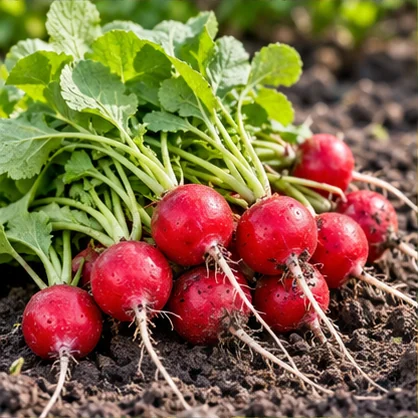
This image was created with AI from described plant characteristics and growing advice. It shows a possible situation and is not a photograph of a verified cultivar.
- Sowing
- Spring and late summer; avoid extreme heat
- Harvesting
- Young, once the root is usable
- Location
- Sun; light shade in summer heat
- Pot
- Suitable for a wide pot
This growing advice helps you choose. Your variety, growth stage, weather and conditions in your space determine the actual timing.
Sowing under cover and raising seedlings
Sow directly for young leaves or roots · Radish
Spring or autumn, with a suitable cultivarSow directly into greenhouse soil or a container, provide light and ventilate.
- Germination and temperature
- Wait for workable, warmed soil; follow the cultivar’s minimum sowing temperature.
- After emergence
- Keep the seed row evenly moist during emergence and identifiable with a label.
- Pricking out and potting on
- Sow thinly and thin in the final position where needed. For cutting leaves, every seedling need not stand separately.
- Hardening off and planting out
- Stays where sown; hardening off and planting out are unnecessary for direct sowing.
A cool, even start helps. Heat, drought or an unsuitable cultivar window can make plants bolt quickly.
Sources and use
Royal Horticultural Society · RHS — radijs kweken ↗Soort- of productgebonden bron; buitenlandse perioden zijn geen vaste Nederlandse zaaidatum.
Utah State University Extension · USU Extension — radijs in de tuin ↗Soort- of productgebonden bron; buitenlandse perioden zijn geen vaste Nederlandse zaaidatum.
Guideline periods for the Netherlands and Flanders. Check the variety, available light, soil and measured temperatures. Greenhouse heating does not guarantee enough winter light.
A different flavour, a different harvest.
Choose by more than the name. Discover how these varieties and crop types taste, what you can use them for and what growing them involves.
9 of 9 choices · 7 named varieties
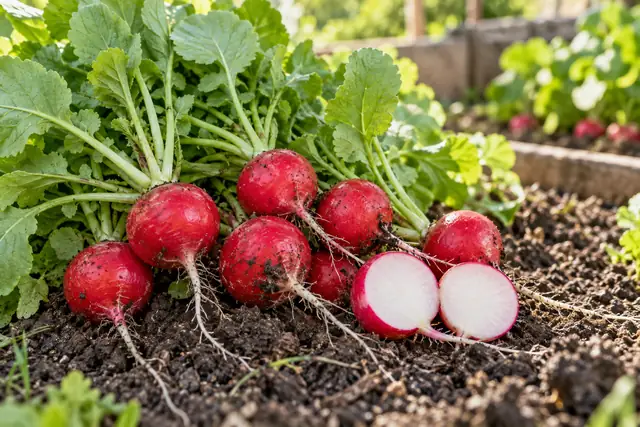
This image was created with AI from described plant characteristics and growing advice. It shows a possible situation and is not a photograph of a verified cultivar.
Cherry Bell
Round, red radish for small, repeated harvests.
Choose Cherry Bell for a recognisable round, red harvest in a short row. Successional sowing gives more young portions than one large sowing.
Flavour, kitchen and growing
How does it taste?
Cherry Bell is described as not very hot. Harvesting young and watering evenly help a crisp bite; drought may make the result sharper.
In the kitchen
Cut into rounds for bread or halve for a salad. Combine with something creamy when you want to soften the fresh, lightly peppery note.
A space in the garden
Sow directly in cool spring or late-summer soil. Thin plants in good time and keep the root zone moist without alternating drying out and soaking.
Harvesting
Harvest once the round roots are well formed. Pull a test radish regularly; do not wait for the whole row to thicken and possibly become coarser.
Read the source notes →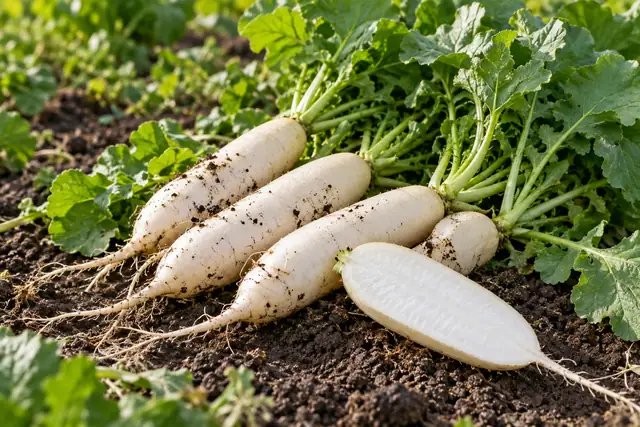
This image was created with AI from described plant characteristics and growing advice. It shows a possible situation and is not a photograph of a verified cultivar.
Marché de Zurich
Elongated, white turnip radish for a different harvest shape.
Choose Marché de Zurich if you want to try a white, elongated radish. The source also mentions sheltered growing; the retail term winter does not replace suitable sowing timing.
Flavour, kitchen and growing
How does it taste?
The source describes white, aromatic flesh. The elongated white root gives a different size from a small round radish; taste the heat at a young size.
This flavour description applies to the crop; there is no separate tasting result for this variety.In the kitchen
Cut thin diagonal slices for raw salads or grate a portion with carrot. The aroma gives a fresh addition to a salad with a creamy dressing.
A space in the garden
Sow according to the packet on a loose bed and allow more root space than for small radishes. Keep growth moist so the root can develop evenly.
Harvesting
Harvest each root at a usable size. Assess texture with a first trial root and use young roots fresh rather than letting everything grow large.
Read the source notes →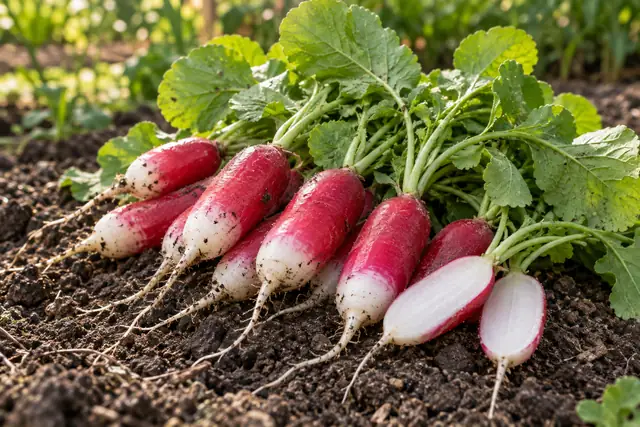
This image was created with AI from described plant characteristics and growing advice. It shows a possible situation and is not a photograph of a verified cultivar.
French Breakfast 2
Half-long red radish with a white tip.
Choose French Breakfast 2 for a different shape from round radishes. In a short row, you can regularly harvest young roots with white tips.
Flavour, kitchen and growing
How does it taste?
The crisp flesh gives a fresh radish character. The bicoloured elongated shape is the clear difference; the name says nothing about a fixed mildness.
This flavour description applies to the crop; there is no separate tasting result for this variety.In the kitchen
Halve the radish lengthways so that both red and white remain visible. Serve with butter on bread or cut into fine strips for a fresh salad.
A space in the garden
Sow directly and thin out so that the roots are not pressed against each other. Avoid a hard layer beneath and keep the soil evenly moist.
Harvesting
Harvest young once the shape is clearly recognisable. Do not leave a long root growing indefinitely for extra length; check bite and heat with a trial radish.
Read the source notes →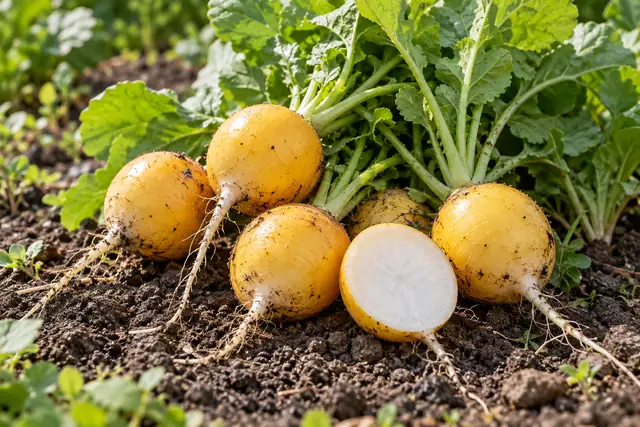
This image was created with AI from described plant characteristics and growing advice. It shows a possible situation and is not a photograph of a verified cultivar.
Helios
Golden yellow radish, round to slightly elongated.
Choose Helios for a clear colour variation on classic red radish. Sow a short row beside another variety and compare shape and bite yourself.
Flavour, kitchen and growing
How does it taste?
Helios has a crisp radish character with a fresh, sharp note. Its golden-yellow skin is the unusual characteristic; colour does not prove a sweeter flavour.
This flavour description applies to the crop; there is no separate tasting result for this variety.In the kitchen
Slice young yellow radishes with their skin for a raw vegetable platter. A mix of yellow and red slices adds colour without complicated preparation.
A space in the garden
Sow directly and thin so that roots can grow round. Choose a period with moderate temperatures and prevent drought stress in small plants.
Harvesting
Check roots early and harvest young to retain crispness. The stated days are indicative; waiting for all plants together can reduce quality.
Read the source notes →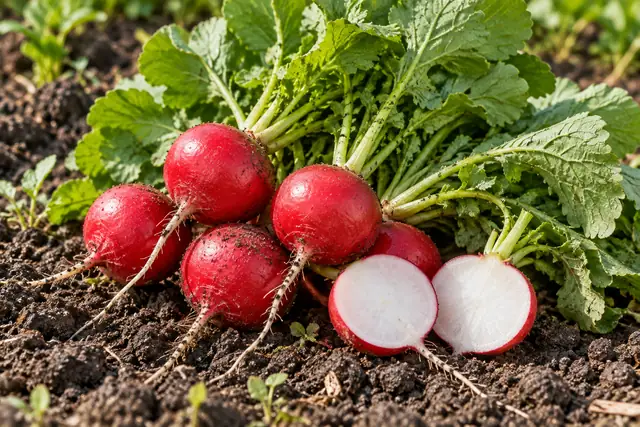
This image was created with AI from described plant characteristics and growing advice. It shows a possible situation and is not a photograph of a verified cultivar.
Sora
Round, bright red radish with firm flesh.
Choose Sora for a classic round, red radish and a compact harvest. Several small sowings let you keep tasting young roots.
Flavour, kitchen and growing
How does it taste?
Sora has firm flesh with a fresh radish flavour. There is no substantiated flavour ranking against Cherry Bell; assess pepperiness from your own young harvest.
This flavour description applies to the crop; there is no separate tasting result for this variety.In the kitchen
Slice the round radish into even rounds for bread or a potato salad. Leave the red skin on to retain colour on the plate.
A space in the garden
Sow thinly and directly in finely loosened soil. Thin in good time and give small, regular waterings in drought so that roots keep growing evenly.
Harvesting
Pull a trial root once the shoulder becomes visible. Use the harvest fresh and sow again for another round rather than leaving old radishes standing longer.
Read the source notes →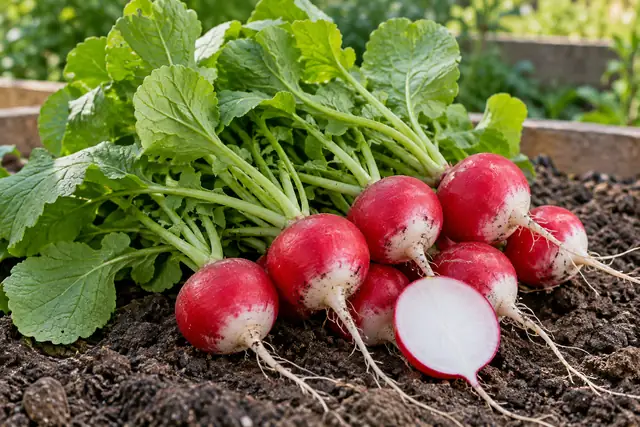
This image was created with AI from described plant characteristics and growing advice. It shows a possible situation and is not a photograph of a verified cultivar.
Sparkler 2
A short radish crop for a first harvest in a small space.
Choose Sparkler 2 for a short crop on a balcony or in a small bed. A modest first sowing helps you learn to harvest without a large supply.
Flavour, kitchen and growing
How does it taste?
Expect the fresh, crisp flavour of radish. Sparkler 2 is mainly described for fast growth; a distinctive flavour note has not been established.
This flavour description applies to the crop; there is no separate tasting result for this variety.In the kitchen
Cut the young harvest just before the meal for bread or raw salads. Start with a small amount and adapt a creamy dressing to its actual pepperiness.
A space in the garden
Sow directly in a container with drainage holes or a fine seedbed. Thin the plants and check container compost more often to see whether it is still moist.
Harvesting
The supplier mentions about four to six weeks, depending on growing conditions. Pull a trial root and harvest once bite and size suit your dish.
Read the source notes →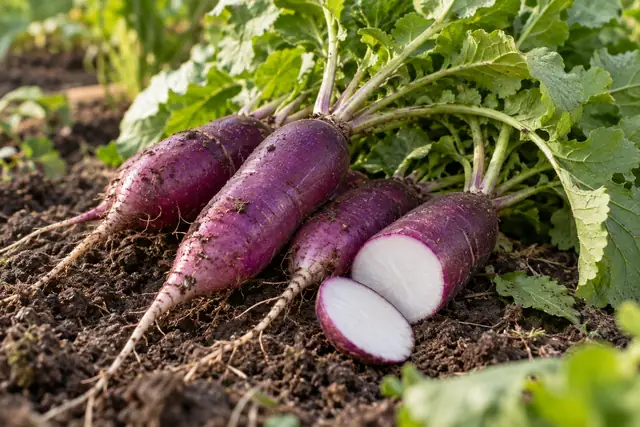
This image was created with AI from described plant characteristics and growing advice. It shows a possible situation and is not a photograph of a verified cultivar.
Violet de Gournay
Purple, elongated winter radish with a white interior.
Choose this variety for purple skin and a larger, late root. The producer places it among winter radishes, so plan it differently from a quick spring radish.
Flavour, kitchen and growing
How does it taste?
The producer describes Violet de Gournay as aromatic and peppery. This is a winter radish character, often stronger than a young, small radish.
In the kitchen
Grate a modest portion into a raw salad or slice thinly for bread. Cook pieces in soup if you want the heat to come across more gently.
A space in the garden
For a late harvest, sow in summer according to the packaging. Allow about ten centimetres of root space and keep the long roots growing without drought interruptions.
Harvesting
Lift before severe frost can cause damage. Undamaged late roots can be stored cool; use damaged specimens immediately and check stores for drying out.
Read the source notes →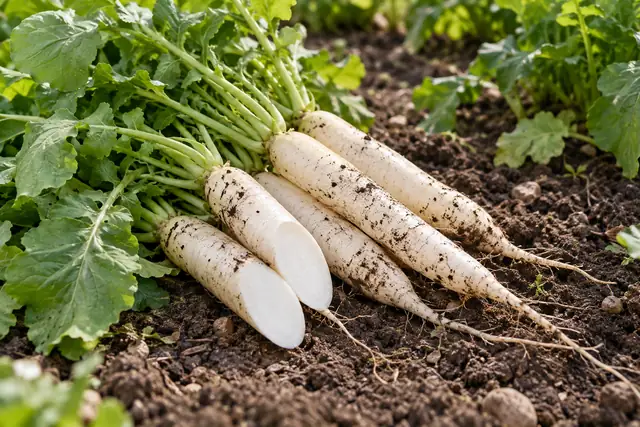
This image was created with AI from described plant characteristics and growing advice. It shows a possible situation and is not a photograph of a verified cultivar.
Daikon
A long white radish type for a different kitchen size.
Choose Daikon for long, white roots and summer sowing. It remains a type because the minimum inventory gives no separate cultivar name.
Flavour, kitchen and growing
How does it taste?
Daikon is described as having a mild radish flavour. The large, white root type allows raw and cooked uses; mildness still depends on harvest and growth.
This flavour description applies to the crop; there is no separate tasting result for this variety.In the kitchen
Cut fine strips for salad or slices for soup. The long root makes equal strips easy; taste a small amount before using plenty of raw radish.
A space in the garden
Sow in deeply loosened soil according to the offered type and thin more widely than small radishes. The long root needs both enough depth and moisture.
Harvesting
Harvest at the desired kitchen size in late summer or autumn. Loosen the soil beside the root and avoid breakage; use damaged parts first.
Read the source notes →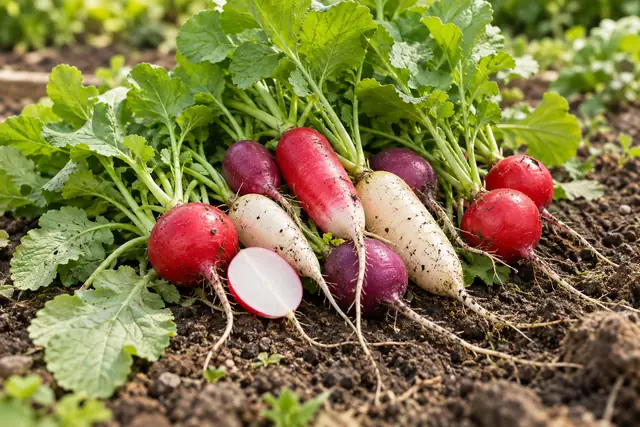
This image was created with AI from described plant characteristics and growing advice. It shows a possible situation and is not a photograph of a verified cultivar.
Mixed
A radish mixture with different colours, shapes and growth rates.
Choose a mix if you want to explore in one short row. Different growth rates spread the harvest, but also require checking each plant.
Flavour, kitchen and growing
How does it taste?
A mix does not give uniform heat or bite. Taste a few young roots separately and discover which shape you prefer in raw salads.
This flavour description applies to the crop; there is no separate tasting result for this variety.In the kitchen
Make a platter with thin slices and halved small radishes. Different shapes and colours provide variety without making a separate dish for every type.
A space in the garden
Sow directly and thin with room for the largest roots. Keep the row evenly moist and leave small, late plants standing as early roots are harvested.
Harvesting
Harvest according to individual size over several rounds. One harvest date for the whole row does not suit this mix; check a root under the foliage regularly.
Read the source notes →Choose your way to grow
From a garden bed to a suitable pot or support: give your plant a place that suits your garden and the care you can provide.
This image was created with AI from described plant characteristics and growing advice. It shows a possible situation and is not a photograph of a verified cultivar.
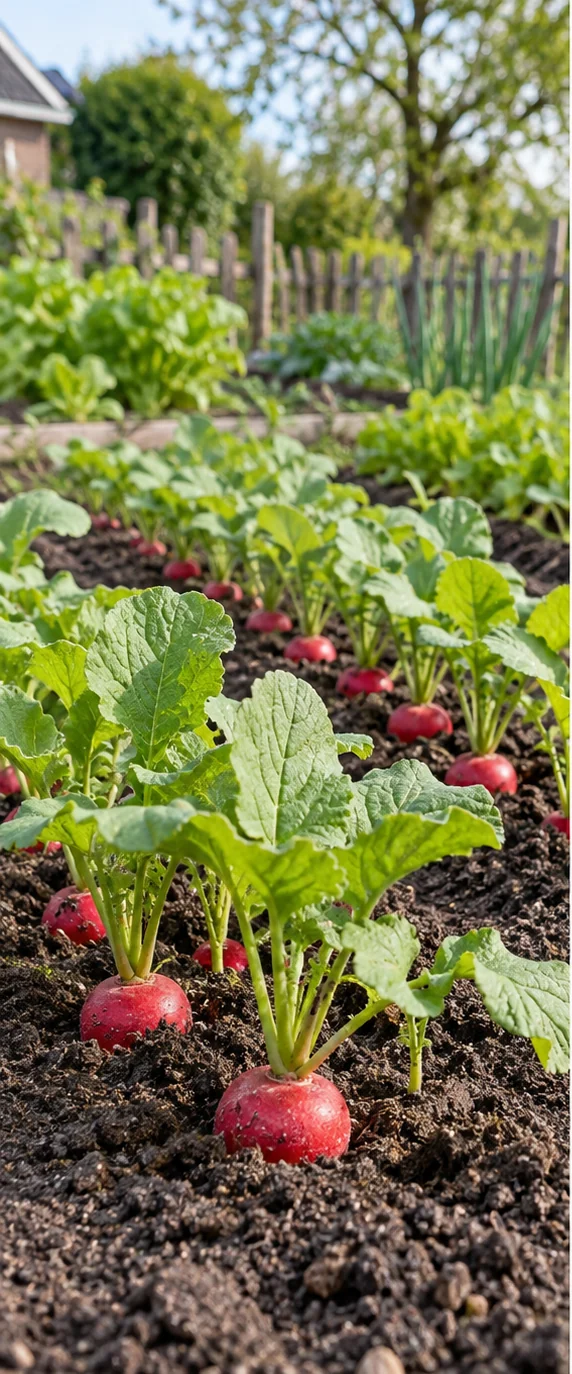
Sowing directly into a cleared bed
A root builds its harvest underground. First choose workable soil and a spot that will stay available for long enough. Sow directly and keep the row identifiable, even while seedlings are still small.
- Remove stones, weeds and hard clods without smearing wet clay into a compacted surface.
- Sow at the depth for the cultivar and keep the germination zone moist.
- Thin in time and harvest a first test specimen.
For anyone with a suitable bed and enough root space.
Tick off your supplies →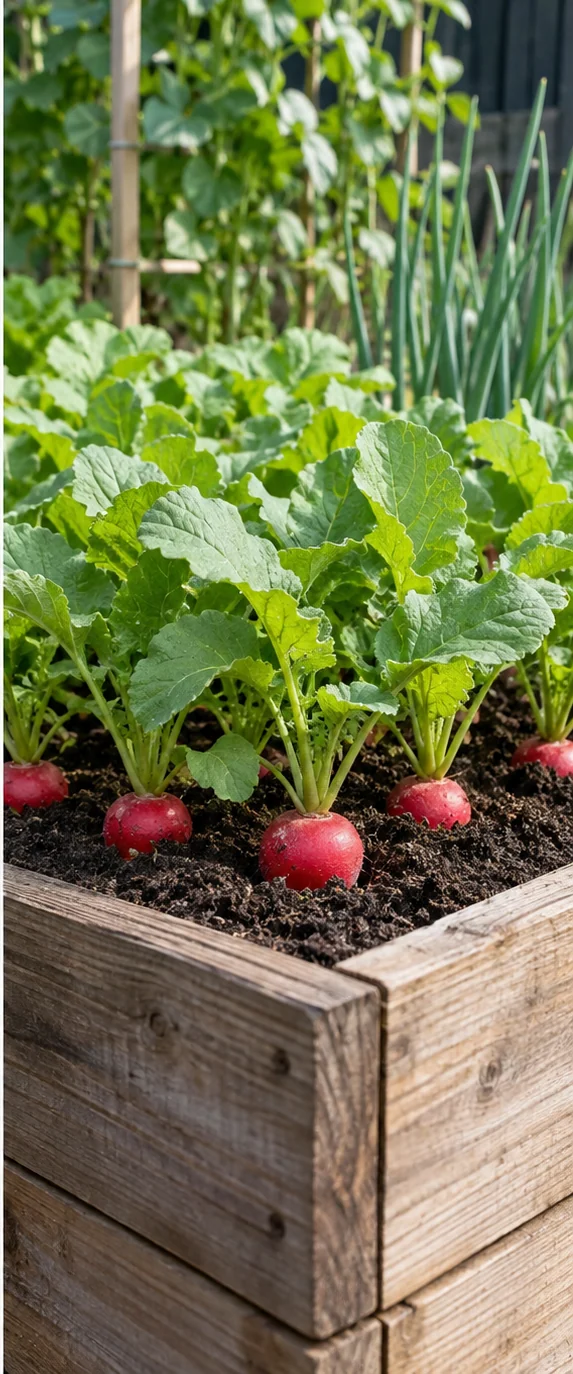
This image was created with AI from described plant characteristics and growing advice. It shows a possible situation and is not a photograph of a verified cultivar.
A small trial in a suitable container
A broad pot with drainage holes suffices for a small salad-radish harvest. Sow directly and allow root space. The surface dries quickly; even in light rain, check whether the germination zone is actually moist.
- Check the cultivar’s expected root size.
- Choose a container with enough depth and unobstructed drainage.
- Sow directly and check moisture more often than in the ground.
For limited space, provided the container suits the root shape.
Tick off your supplies →Explore the varieties
See the confirmed differences. Characteristics without supporting evidence are left blank.
5 of 5 varieties
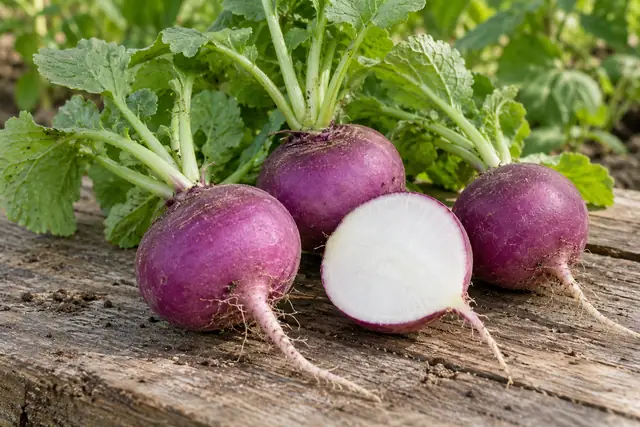
This image was created with AI from described plant characteristics and growing advice. It shows a possible situation and is not a photograph of a verified cultivar.
Amethyst
Explore this variety and use the growing guide to choose a place for your plant.
View variety →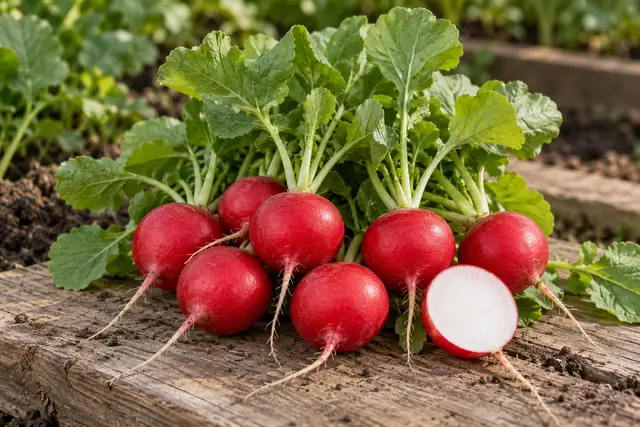
This image was created with AI from described plant characteristics and growing advice. It shows a possible situation and is not a photograph of a verified cultivar.
Celesta
Explore this variety and use the growing guide to choose a place for your plant.
View variety →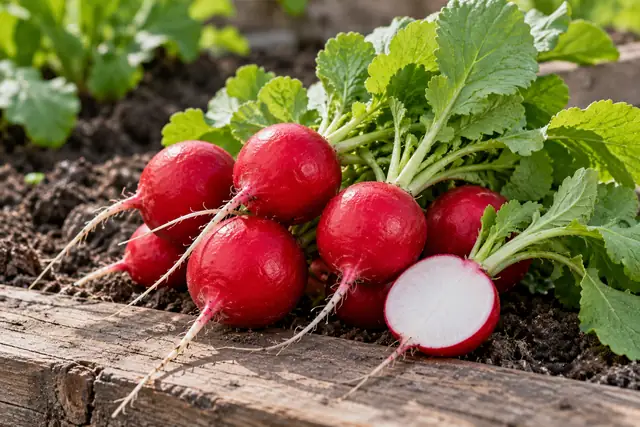
This image was created with AI from described plant characteristics and growing advice. It shows a possible situation and is not a photograph of a verified cultivar.
Escala
Explore this variety and use the growing guide to choose a place for your plant.
View variety →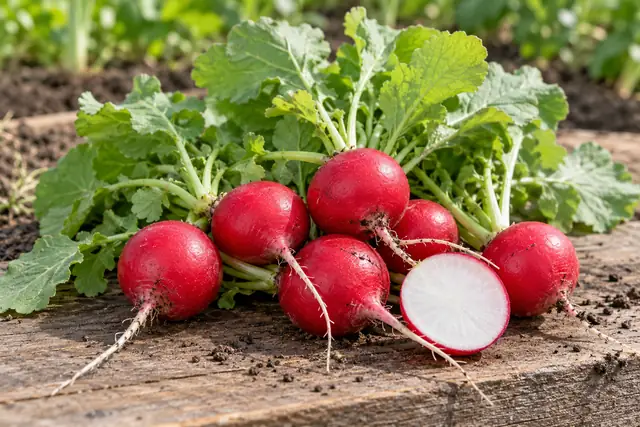
This image was created with AI from described plant characteristics and growing advice. It shows a possible situation and is not a photograph of a verified cultivar.
Rudolf
Explore this variety and use the growing guide to choose a place for your plant.
View variety →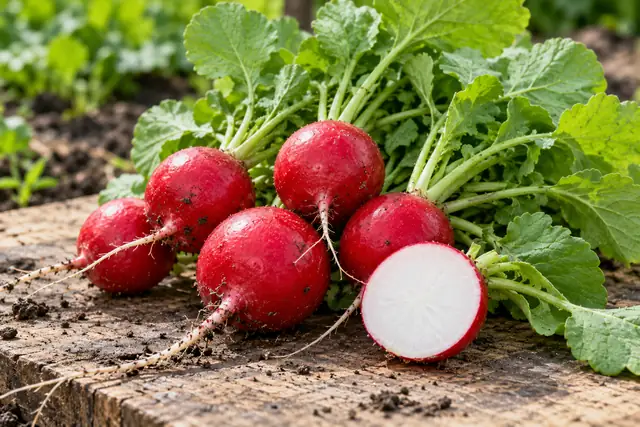
This image was created with AI from described plant characteristics and growing advice. It shows a possible situation and is not a photograph of a verified cultivar.
Scarlet Globe
Explore this variety and use the growing guide to choose a place for your plant.
View variety →Choose two to four varieties to compare their source data side by side.
Choose by flavour, shape and use
Cherry Bell: Round red radish for small, repeated harvests. Cut into rounds for bread or halve for a salad. Combine with something creamy when you want to soften the fresh, lightly peppery note.
Cherry Bell is described as not very hot. Harvesting young and watering evenly help a crisp bite; drought may make the result sharper.
Marché de Zurich: Long white radish for a different harvest shape. Cut thin diagonal slices for raw salads or grate some alongside carrot. Its flavour adds a fresh note to a salad with a creamy dressing.
The source describes white, aromatic flesh. The elongated white root gives a different size from a small round radish; taste the heat at a young size.
French Breakfast 2: Half-long red radish with a white tip. Halve the radish lengthways so that both red and white remain visible. Serve with butter on bread or cut into fine strips for a fresh salad.
The crisp flesh gives a fresh radish character. The bicoloured elongated shape is the clear difference; the name says nothing about a fixed mildness.
Helios: Golden-yellow radish, round to slightly elongated. Slice young yellow radishes with their skin for a raw vegetable platter. A mix of yellow and red slices adds colour without complicated preparation.
Helios has a crisp radish character with a fresh, sharp note. Its golden-yellow skin is the unusual characteristic; colour does not prove a sweeter flavour.
Choosing a suitable root crop
Small salad radishes grow differently from large winter radishes. For a quick row, choose a true salad type. Colour and shape may vary, but maximum size is not a good harvest aim. Young, firm roots are usually a better reason to pick.
Make room underground
Feel whether the soil is loose enough below the top layer. A fine surface can hide a hard layer. Carefully relieve obstructive compaction when the soil is workable. Avoid fresh, coarse manure directly in a row where straight roots need to develop.
Sow in the final position
Sow thinly and directly where you want to harvest. A short row every few weeks spreads the harvest. Keep the soil moist during germination. Start a new batch in mild weather rather than in the middle of hot, dry days.
The surface layer deserves attention
After sowing, keep the germination zone evenly moist. A hard crust and drying can hold back small plants. Water with a fine rose and do not walk over the row. A label helps you find the sowing position before recognisable leaves appear.
Give every young plant its own space
Overcrowded germination produces plenty of leaves and little room for the root. Thin early to the cultivar spacing and aim for the stated harvest size. For salad radishes, that spacing is measured in centimetres, rather than the large space needed by winter radish.
Growing without large fluctuations
During dry periods, check moisture below the surface. Young plants and containers need more frequent watering checks than a well-rooted crop in a bed. Water according to need and let it soak down; a wet surface every day tells you little about the root zone.
Take time over the first one
Check the root shoulders early and harvest a test radish once the size looks useful. Pick the row gradually. A radish left too long can become pithy or pungent; do not wait until every one is exactly the same size.
An unusual root tells you something
Plenty of leaves and hardly any root can be associated with heat, drought or overcrowding. Small holes in the leaves may be caused by flea beetles. Protect young rows with fine mesh where needed and improve the timing of the next sowing; extra fertiliser is not a standard solution.
Start with a sound harvest
Use damaged roots first and store only sound ones, following guidance for the type and cultivar. Cool conditions and suitable humidity help limit drying, but check for deterioration. Storage advice for one winter cultivar is not a shelf-life promise for the whole species.
What you need
Tick what you already have. The extras depend on how you grow.
0 of 5 ticked off
Your ticks are saved in this browser.
Discover and grow more
More background, sources and image information
SeedSteps editorial team · updated on 11 October 2026. The AI images illustrate species and practical growing situations; they do not prove an exact cultivar, observations from your own garden or yield.
Britse gewasadviezen worden gecombineerd met Nederlandse en Vlaamse informatie waar beschikbaar. Amerikaanse Extension-bronnen ondersteunen plantprincipes en herkenning; hun kalenderdata, lokale plaagdruk, bestrijdingsmiddelen en mestdoseringen worden niet rechtstreeks op Nederland of Vlaanderen toegepast. Vorst, bodemwarmte, standplaats en expliciete rasinformatie blijven de lokale controle. Commerciële bronnen onderbouwen uitsluitend benoemde ras- en plantkenmerken; zij zijn geen affiliate-aanbeveling.
- World Checklist of Vascular Plants — 4 juni 2026Royal Botanic Gardens, Kew · accessed 2026-10-07
- Radijs 'Cherry Bell' zaden BiologischFeggies · accessed 2026-10-11
- Radijs DaikonFeggies · accessed 2026-10-11
- Radijs French Breakfast 2 zadenFeggies · accessed 2026-10-11
- Radijs geel Helios zadenFeggies · accessed 2026-10-11
- Radijs gemengd zadenFeggies · accessed 2026-10-11
- Radijs Rond écarlate Sora zadenFeggies · accessed 2026-10-11
- Radijs sparkler 2 – biologische groentezaden (snelgroeiend)Feggies · accessed 2026-10-11
- Radijs (Winter-) Marché de Zurich zadenFeggies · accessed 2026-10-11
- Violet de Gournay – biologische radijszaden (Heirloom)Feggies · accessed 2026-10-11
- Radis d’hiver Violet de GournaySemailles · accessed 2026-10-11
- Radis d’hiver: teelt en gebruikSemailles · accessed 2026-10-11
- RHS — radijs kwekenRoyal Horticultural Society · accessed 2026-10-10
- USU Extension — radijs in de tuinUtah State University Extension · accessed 2026-10-10
Supporting evidence by chapter: Choose by flavour, shape and use: Feggies, Feggies, Feggies, Feggies. Choosing a suitable root crop: Royal Horticultural Society, Utah State University Extension. Make room underground: Royal Horticultural Society, Utah State University Extension. Sow in the final position: Royal Horticultural Society, Utah State University Extension. The surface layer deserves attention: Royal Horticultural Society, Utah State University Extension. Give every young plant its own space: Royal Horticultural Society, Utah State University Extension. Growing without large fluctuations: Royal Horticultural Society, Utah State University Extension. Take time over the first one: Royal Horticultural Society, Utah State University Extension. An unusual root tells you something: Royal Horticultural Society, Utah State University Extension. Start with a sound harvest: Royal Horticultural Society, Utah State University Extension.