
Sorrel: a permanent supply of fresh young leaves
Just a few young sorrel leaves add a fresh, sour note. A perennial clump beside the vegetable garden or a pot near the kitchen makes regular picking easy. Leave enough foliage for regrowth and keep the plant manageable by cutting off unwanted flower stems.
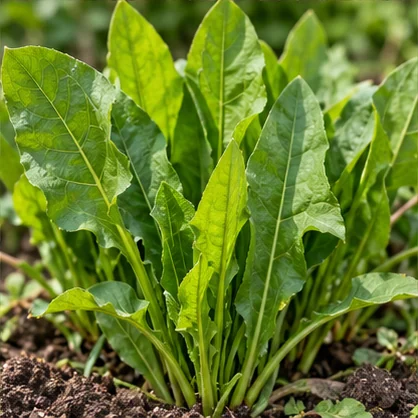
This image was created with AI from described plant characteristics and growing advice. It shows a possible situation and is not a photograph of a verified cultivar.
- Location
- Sun or light partial shade, preferably moisture-retentive soil
- Lifespan
- Perennial; growth slows in winter
- Start
- Seed, young plant or healthy division
- Harvest
- Young leaves in small portions
This growing advice helps you choose. Your variety, growth stage, weather and conditions in your space determine the actual timing.
Sowing under cover and raising seedlings
Perennial growing: young plants, divisions or seed · Sorrel
Spring for suitable planting stock; follow species and supplierPlant suitable stock, crowns or divisions in workable soil. This is not a general sowing route.
- Germination and temperature
- Germination requirements differ by species. Follow the packet; germination of Good King Henry can be slow and irregular.
- After emergence
- Give emerged plants light, prevent drying out and allow a healthy root ball to develop.
- Pricking out and potting on
- Prick out seedlings only when manageable. Plant bought stock or divisions with roots intact.
- Hardening off and planting out
- Gradually acclimatise indoor-raised plants to sun, wind and outdoor temperatures; shelter them again on cold nights. Choose a suitable permanent position. Plant asparagus crowns and rhubarb divisions according to their own planting guidance.
Not all perennial plants yield a harvest in their first year. Choose healthy planting stock for a predictable start; seedlings can vary.
Sources and use
RHS · asperge ↗Britse teeltrichtlijn voor een gematigd klimaat; de genoemde perioden zijn richtlijnen voor Nederland en Vlaanderen.
De Bolster · De Bolster — Zuring zaaien ↗Nederlandse producent of teeltbron; de rasinstructie blijft leidend.
Royal Horticultural Society · RHS — zuring kweken ↗Soort- of productgebonden bron; buitenlandse perioden zijn geen vaste Nederlandse zaaidatum.
Guideline periods for the Netherlands and Flanders. Check the variety, available light, soil and measured temperatures. Greenhouse heating does not guarantee enough winter light.
A different flavour, a different harvest.
Choose by more than the name. Discover how these varieties and crop types taste, what you can use them for and what growing them involves.
2 of 2 choices · 1 named varieties
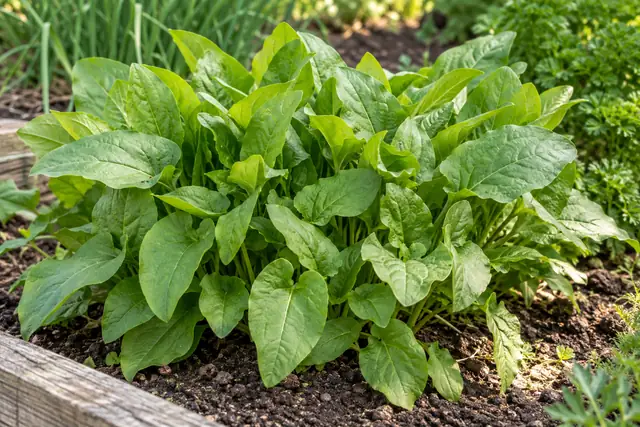
This image was created with AI from described plant characteristics and growing advice. It shows a possible situation and is not a photograph of a verified cultivar.
Belleville
Belleville is a named sorrel with relatively low, somewhat heart-shaped leaves. It can persist in a permanent position.
Choose Belleville when sour green leaves are the growing aim. The species differs from milder patience dock and from red-veined sorrel.
Flavour, kitchen and growing
How does it taste?
The product source confirms an acidic flavour. This is a useful flavour characteristic, without a fixed acidity level compared with other sorrel.
In the kitchen
Use a few young leaves with fish, in salad or soup. A small portion makes the acidic accent easy to control.
A space in the garden
Give the plant its own well-drained position and room for new leaves. Long leaf harvesting needs enough healthy growth retained.
Harvesting
Harvest young leaves as needed and leave the heart intact. Add them gradually to a dish if you are not yet familiar with their acidity.
Also listed as: Zuring uit Belleville.
Read the source notes →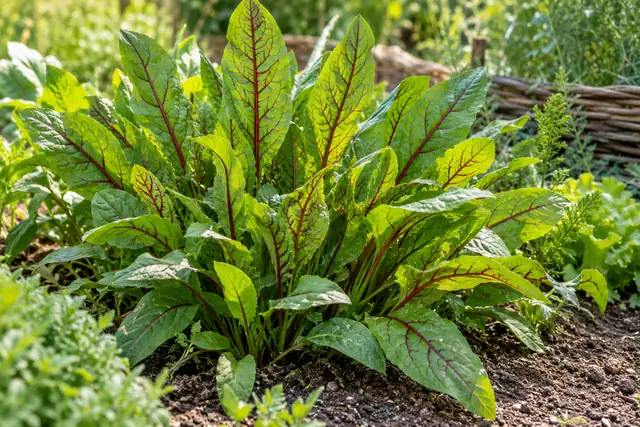
This image was created with AI from described plant characteristics and growing advice. It shows a possible situation and is not a photograph of a verified cultivar.
Blood red
Red-veined sorrel has narrow green leaves with striking red veins. Botanically it is Rumex sanguineus, not a colour variant of Belleville.
Choose this species when you want red veins and a sour addition together. Retain its separate botanical identity in comparisons.
Flavour, kitchen and growing
How does it taste?
The source describes young, acidic leaves. This concerns the species and establishes no separately named, distinctive-flavoured variety.
This flavour description applies to the crop; there is no separate tasting result for this variety.In the kitchen
Use young leaves as a visible accent with fish or in a salad. The red veins show particularly well when served fresh.
A space in the garden
Sow or plant in a well-drained spot of its own and keep focusing on young leaves. Give older perennial plants enough room for new leaves.
Harvesting
Pick small, healthy leaves for the kitchen. Select for tenderness rather than using large, old leaves solely for their colour.
Also listed as: Bloedroodzuring.
Read the source notes →Choose your way to grow
From a garden bed to a suitable pot or support: give your plant a place that suits your garden and the care you can provide.
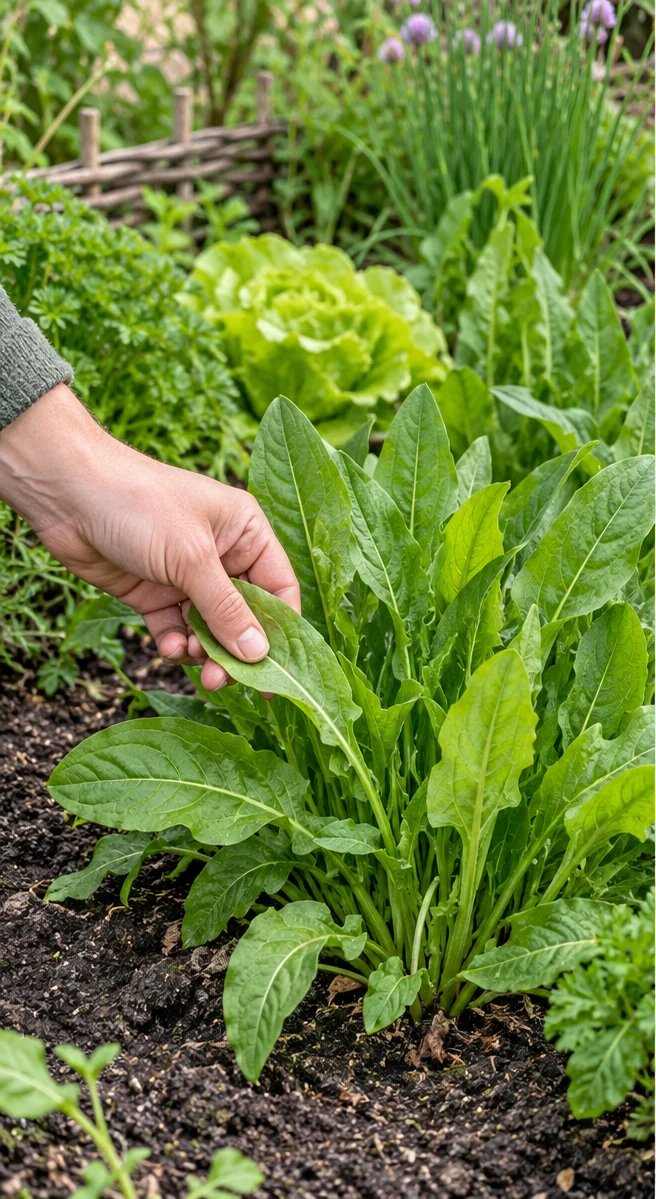
This image was created with AI from described plant characteristics and growing advice. It shows a possible situation and is not a photograph of a verified cultivar.
A perennial clump at the vegetable garden's edge
A permanent spot of its own prevents sorrel from being forgotten in the annual sowing plan. Young leaves regrow from the clump.
- Choose identifiable edible planting material and remove perennial weeds.
- Plant at the existing rootball depth in sun or light partial shade.
- Water during establishment and prolonged dry weather.
- Pick young leaves regularly and cut unwanted flower stems low down.
For recurring small harvests beside a permanent herb or vegetable bed.
Tick off your supplies →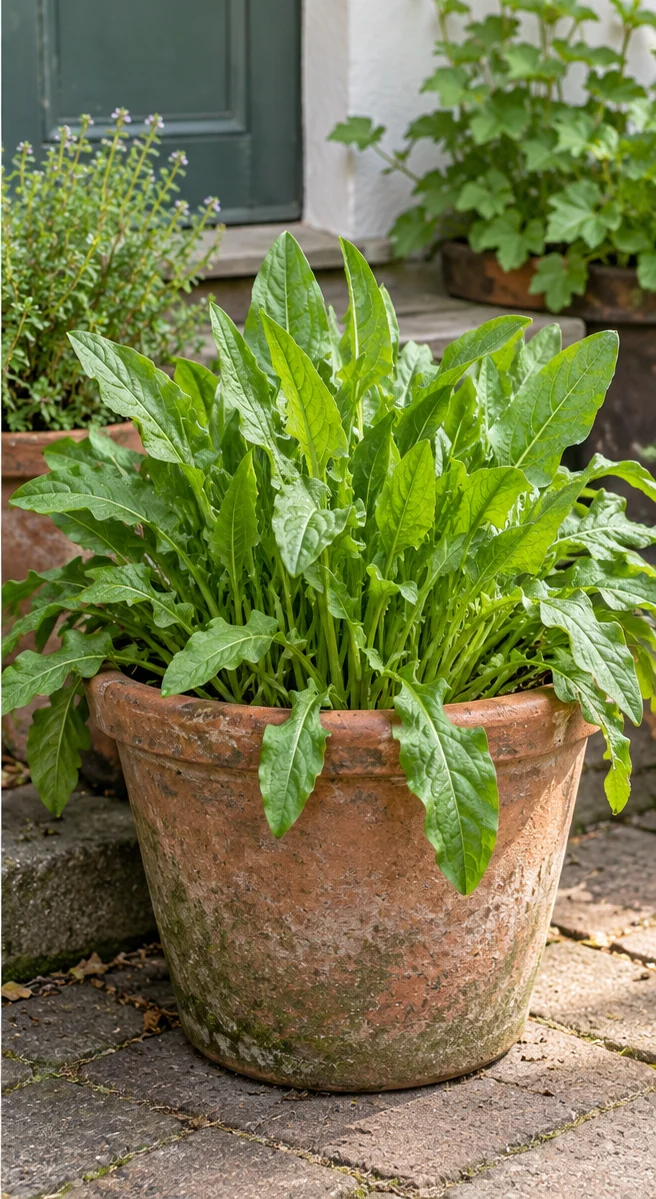
This image was created with AI from described plant characteristics and growing advice. It shows a possible situation and is not a photograph of a verified cultivar.
A harvest pot near the kitchen
A pot keeps the clump in place and makes it easy to follow new leaves. In heat, light shade can reduce water needs.
- Choose a pot approximately 30 cm wide or larger, with drainage.
- Use suitable, fertile compost and plant at the existing depth.
- Keep the pot evenly moist and avoid winter waterlogging.
- Pick modestly and divide or repot when the clump becomes very dense.
For patios and small gardens; regular moisture checks are part of it.
Tick off your supplies →Explore the varieties
See the confirmed differences. Characteristics without supporting evidence are left blank.
0 of 0 varieties
No matching variety found. Try another name or clear the filters.
Choose two to four varieties to compare their source data side by side.
Choose by flavour, shape and use
Belleville: Belleville is a named sorrel with relatively low, somewhat heart-shaped leaves. It can last longer in a permanent position. Use a few young leaves with fish, salad or soup. A small portion makes acidity easy to control.
The product source confirms an acidic flavour. This is a useful flavour characteristic, without a fixed acidity level compared with other sorrel.
Bloedrood: Red-veined sorrel has narrow green leaves with striking red veins. Botanically Rumex sanguineus, not a Belleville colour variant. Use young leaves as a visible accent with fish or in a salad. The red veins show particularly well when served fresh.
The source describes young, acidic leaves. This concerns the species and establishes no separately named, distinctive-flavoured variety.
Choose the edible sorrel you intend
Common sorrel, French sorrel and red-veined sorrel have different leaves and do not all belong to the same species. This page starts with common sorrel. Choose named edible planting material; do not assume an unknown wild plant is the same vegetable because it tastes sour.
A moist base without a dark corner
Sorrel grows in sun and light partial shade. Mature compost helps fast-drying soil retain moisture. Light shade suits hot periods. A wet hollow does not solve drought: roots still need air and drainage.
A small sowing is often enough
Sow in fine, moist seed compost in spring, about a centimetre deep according to species instructions. Provide light and surface moisture. Thin or prick out once safe to handle. A few mature plants can provide many small kitchen portions.
Let the clump grow at the same level
Plant young sorrel at roughly its pot depth and water in. Allow for a widening clump. Spacing and size vary by species; French sorrel can spread differently from common sorrel. Let roots establish before heavy harvesting.
Pots need attention more often
Water new plants in drought until established. Ground-grown established clumps manage more independently except during prolonged drought. Check pots regularly even when green above. Prevent pots remaining full of water through winter.
Encourage the plant to produce young leaves
For leaf harvests, remove emerging flower stalks. Leaving flowers and seeds can let sorrel self-seed. Choose where this is allowed. Removing old tough leaves makes space for young growth without repeatedly stripping the clump bare.
Pick a fresh addition, not the whole clump
Take young, intact leaves and leave enough vigour. Older leaves can be tougher and more bitter. Sorrel is distinctly sour, so start with a little in salad, soup or sauce. Rinse and preferably use soon after picking.
Look particularly at young growth
Slugs can damage leaves and seedlings; aphids gather on tender tips. Inspect clumps without treating every imperfection. With poor recovery, assess drought, wet roots or excessive harvesting too. Diseased or badly damaged leaves are no attractive kitchen portion.
Divide a full clump in a quiet season
Lift older dense clumps in spring or autumn and divide healthily. Each division needs roots and growing points. Replant in cared-for soil and water. This creates a new harvest patch without letting an old clump crowd for years.
What you need
Tick what you already have. The extras depend on how you grow.
0 of 6 ticked off
Your ticks are saved in this browser.
Discover and grow more
More background, sources and image information
SeedSteps editorial team · updated on 11 October 2026. The AI images illustrate species and practical growing situations; they do not prove an exact cultivar, observations from your own garden or yield.
Britse gewasadviezen worden gecombineerd met Nederlandse en Vlaamse informatie waar beschikbaar. Amerikaanse Extension-bronnen ondersteunen plantprincipes en herkenning; hun kalenderdata, lokale plaagdruk, bestrijdingsmiddelen en mestdoseringen worden niet rechtstreeks op Nederland of Vlaanderen toegepast. Vorst, bodemwarmte, standplaats en expliciete rasinformatie blijven de lokale controle. Commerciële bronnen onderbouwen uitsluitend benoemde ras- en plantkenmerken; zij zijn geen affiliate-aanbeveling.
- World Checklist of Vascular Plants — 4 juni 2026Royal Botanic Gardens, Kew · accessed 2026-10-07
- Zuring bloedroodFeggies · accessed 2026-10-11
- Zuring uit Belleville zadenFeggies · accessed 2026-10-11
- De Bolster — Zuring zaaienDe Bolster · accessed 2026-10-10
- RHS — zuring kwekenRoyal Horticultural Society · accessed 2026-10-10
Supporting evidence by chapter: Choose by flavour, shape and use: Feggies, Feggies. Choose the edible sorrel you intend: Royal Horticultural Society, De Bolster. A moist base without a dark corner: Royal Horticultural Society, De Bolster. A small sowing is often enough: Royal Horticultural Society, De Bolster. Let the clump grow at the same level: Royal Horticultural Society, De Bolster. Pots need attention more often: Royal Horticultural Society, De Bolster. Encourage the plant to produce young leaves: Royal Horticultural Society, De Bolster. Pick a fresh addition, not the whole clump: Royal Horticultural Society, De Bolster. Look particularly at young growth: Royal Horticultural Society, De Bolster. Divide a full clump in a quiet season: Royal Horticultural Society, De Bolster.